Tech Reviews
A structured, written audit of your codebase ending in a prioritized list of what to fix and what's actually fine.
Your codebase grew up. We help it stay healthy.
Your codebase grew up. We help it stay healthy.
We've spent years working in Ruby and Elixir, two ecosystems we genuinely love, and we've seen the same patterns play out in growing codebases enough times to know how to fix them without grinding feature work to a halt.
Ruby on Rails is still one of the fastest ways to build and operate a real product. Elixir/Phoenix shines when you need real-time features, fault tolerance, or have to handle massive concurrent workloads.
We're fluent in both, and pragmatic enough to tell you when neither is the answer.
Where we're fluent
Most successful products eventually face the same set of problems: the original architecture wasn't designed for the scale you're operating at, the team that built it has turned over, AI-assisted development has added code faster than anyone has reviewed it, and the parts that used to be a joy to work on now slow every team down.
These patterns are familiar, and so are the ways out of them. Working through them in a stack we know deeply is what lets us move quickly without breaking things you can't afford to break.
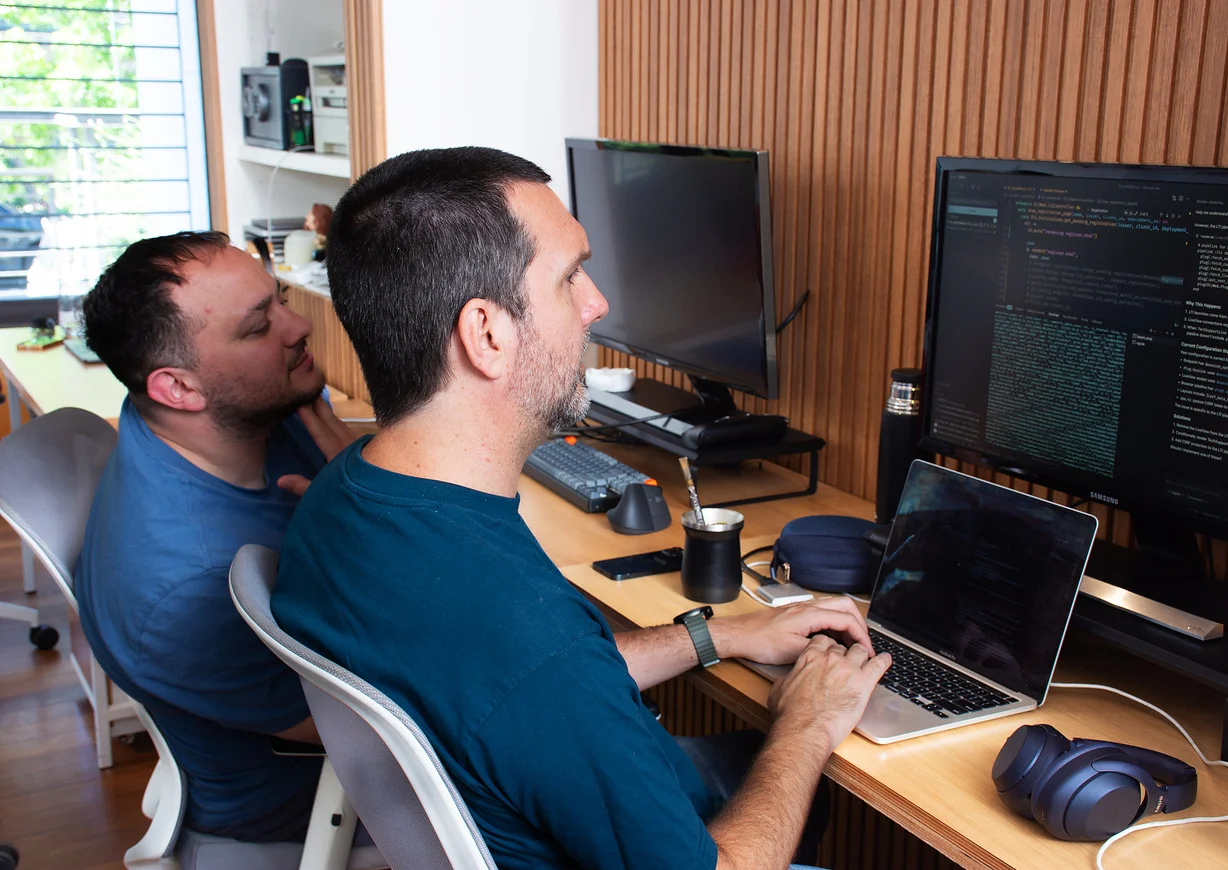
Vibe-coded features are the new technical debt. Some of it is genuinely good work, some of it is plausible-looking but wrong, and most of it has shipped without the kind of review that used to be standard. And it compounds: the worse the codebase gets, the less leverage AI coding agents have to keep producing meaningful work in it.
We help you keep what works, rewrite what doesn't, and put guardrails in place (code review practices, evals, lint rules) so it doesn't quietly happen again. None of that replaces senior human judgment on architecture, code design, and what good practice actually looks like in your codebase. That part stays non-negotiable, and it's where we lean in hardest.
A structured, written audit of your codebase ending in a prioritized list of what to fix and what's actually fine.
Slow queries, N+1s, memory bloat, architectural bottlenecks: the things that show up as your traffic grows. We find them and fix them.
Bringing legacy Rails apps onto modern versions, breaking up monoliths where it helps, introducing Elixir where concurrency is the bottleneck.

WyeWorks came in to revamp Argos' educational platform, improving the Elixir & LiveView codebase and adding SSO and payments.

WyeWorks became the expert engineering team Packlane could trust to move their business forward, launching Shiplane and taking ownership of their core product.
Ready to bring in engineers who know Ruby and Elixir deeply enough to fix what's actually slowing you down?
We've spent years working in Ruby and Elixir, two ecosystems we genuinely love, and we've seen the same patterns play out in growing codebases enough times to know how to fix them without grinding feature work to a halt.
Ruby on Rails is still one of the fastest ways to build and operate a real product. Elixir/Phoenix shines when you need real-time features, fault tolerance, or have to handle massive concurrent workloads.
We're fluent in both, and pragmatic enough to tell you when neither is the answer.
Where we're fluent
Most successful products eventually face the same set of problems: the original architecture wasn't designed for the scale you're operating at, the team that built it has turned over, AI-assisted development has added code faster than anyone has reviewed it, and the parts that used to be a joy to work on now slow every team down.
These patterns are familiar, and so are the ways out of them. Working through them in a stack we know deeply is what lets us move quickly without breaking things you can't afford to break.
Vibe-coded features are the new technical debt. Some of it is genuinely good work, some of it is plausible-looking but wrong, and most of it has shipped without the kind of review that used to be standard. And it compounds: the worse the codebase gets, the less leverage AI coding agents have to keep producing meaningful work in it.
We help you keep what works, rewrite what doesn't, and put guardrails in place (code review practices, evals, lint rules) so it doesn't quietly happen again. None of that replaces senior human judgment on architecture, code design, and what good practice actually looks like in your codebase. That part stays non-negotiable, and it's where we lean in hardest.
A structured, written audit of your codebase ending in a prioritized list of what to fix and what's actually fine.
Slow queries, N+1s, memory bloat, architectural bottlenecks: the things that show up as your traffic grows. We find them and fix them.
Bringing legacy Rails apps onto modern versions, breaking up monoliths where it helps, introducing Elixir where concurrency is the bottleneck.
WyeWorks came in to revamp Argos' educational platform, improving the Elixir & LiveView codebase and adding SSO and payments.

Key considerations for migrating a Ruby on Rails application to Elixir and Phoenix, covering paradigm shifts, concurrency, real-time features, and incremental rewriting strategies.
How we refactored a growing Phoenix LiveView module into smaller, focused components using live_component, with practical examples from the Elixir Web Console project.
Ready to bring in engineers who know Ruby and Elixir deeply enough to fix what's actually slowing you down?