

AI readiness review
We audit your codebase, tooling, and team practices through the lens of AI-assisted development, then deliver a prioritized list of what to change.
Calibrate how your engineering team uses AI.
Calibrate how your engineering team uses AI.
There are no hard recipes here. The tooling is moving too fast, and what works for one team's stack, culture, and codebase won't transfer cleanly to another's. What we offer is a way to experiment that doesn't burn out your team or pollute your codebase: try things in your real context, measure them, keep what works, drop what doesn't. We stay close enough to the frontier of coding agents to know what's worth trying, and honest enough to tell you when something isn't ready.
Every engineering org we talk to is somewhere on the AI adoption curve. Some teams are quietly using Claude Code and Cursor with no shared standards. Others have banned AI tools out of fear. Most are in between: experimenting, getting uneven results, unsure what "good" looks like, and worried about what's ending up in their codebase. The same team is often at different points for different parts of the work, and we help you find your sweet spot for each one.
At the low-leverage end, AI works as autocomplete: editor agents that actually accelerate the work, prompts that produce reviewable diffs, and habits that prevent the codebase from quietly drifting. A step further, agents like Claude Code and Cursor become pairing buddies rather than fancy autocomplete, which means knowing when to drive, when to let the agent drive, and how to keep the architectural decisions yours. At the frontier sit automated and semi-automated workflows: agent-driven test generation, code review assistants that catch real issues, multi-step automations for the chores nobody enjoys. We help you experiment there without betting the codebase on it.
A focused engagement on its own: we audit your codebase, tooling, and team practices specifically through the lens of AI-assisted development. Where will agents accelerate the work? Where will they make a mess? What changes to documentation, test coverage, module boundaries, and CI would dramatically improve what you get out of these tools?
The output is a prioritized list of what to fix and what's already fine, framed for the AI-augmented context rather than generic best practices.
We won't sell you on a specific vendor, and we won't promise that AI will write your codebase for you while your team watches. Anyone telling you that hasn't shipped production software lately.
We audit your codebase, tooling, and team practices through the lens of AI-assisted development, then deliver a prioritized list of what to change.
Working sessions on what to try, where to set shared standards, and how to keep the architectural decisions yours as the agents do more of the typing.
Short build-measure-keep loops that let your team learn what works in your real context without betting the codebase on it.
Ready to turn the AI tools your team is already using into a real, measured engineering capability?
There are no hard recipes here. The tooling is moving too fast, and what works for one team's stack, culture, and codebase won't transfer cleanly to another's. What we offer is a way to experiment that doesn't burn out your team or pollute your codebase: try things in your real context, measure them, keep what works, drop what doesn't. We stay close enough to the frontier of coding agents to know what's worth trying, and honest enough to tell you when something isn't ready.
Every engineering org we talk to is somewhere on the AI adoption curve. Some teams are quietly using Claude Code and Cursor with no shared standards. Others have banned AI tools out of fear. Most are in between: experimenting, getting uneven results, unsure what "good" looks like, and worried about what's ending up in their codebase. The same team is often at different points for different parts of the work, and we help you find your sweet spot for each one.
At the low-leverage end, AI works as autocomplete: editor agents that actually accelerate the work, prompts that produce reviewable diffs, and habits that prevent the codebase from quietly drifting. A step further, agents like Claude Code and Cursor become pairing buddies rather than fancy autocomplete, which means knowing when to drive, when to let the agent drive, and how to keep the architectural decisions yours. At the frontier sit automated and semi-automated workflows: agent-driven test generation, code review assistants that catch real issues, multi-step automations for the chores nobody enjoys. We help you experiment there without betting the codebase on it.
A focused engagement on its own: we audit your codebase, tooling, and team practices specifically through the lens of AI-assisted development. Where will agents accelerate the work? Where will they make a mess? What changes to documentation, test coverage, module boundaries, and CI would dramatically improve what you get out of these tools?
The output is a prioritized list of what to fix and what's already fine, framed for the AI-augmented context rather than generic best practices.
We won't sell you on a specific vendor, and we won't promise that AI will write your codebase for you while your team watches. Anyone telling you that hasn't shipped production software lately.
We audit your codebase, tooling, and team practices through the lens of AI-assisted development, then deliver a prioritized list of what to change.
Working sessions on what to try, where to set shared standards, and how to keep the architectural decisions yours as the agents do more of the typing.
Short build-measure-keep loops that let your team learn what works in your real context without betting the codebase on it.
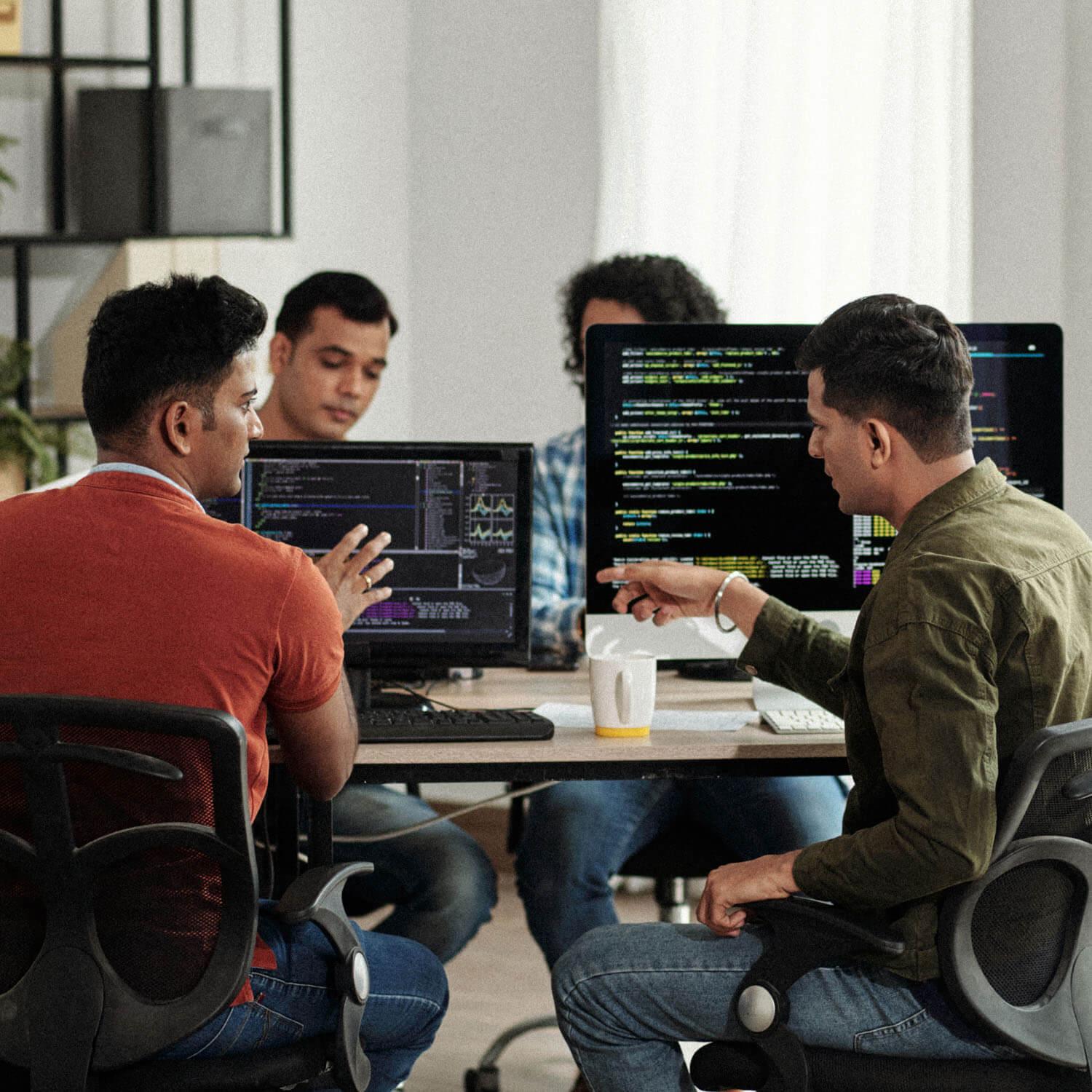
AI can write most of the code, but requirements, architecture, and verification still depend on judgment. A look at how our teams are learning to own the workflow that makes coding agents reliable.
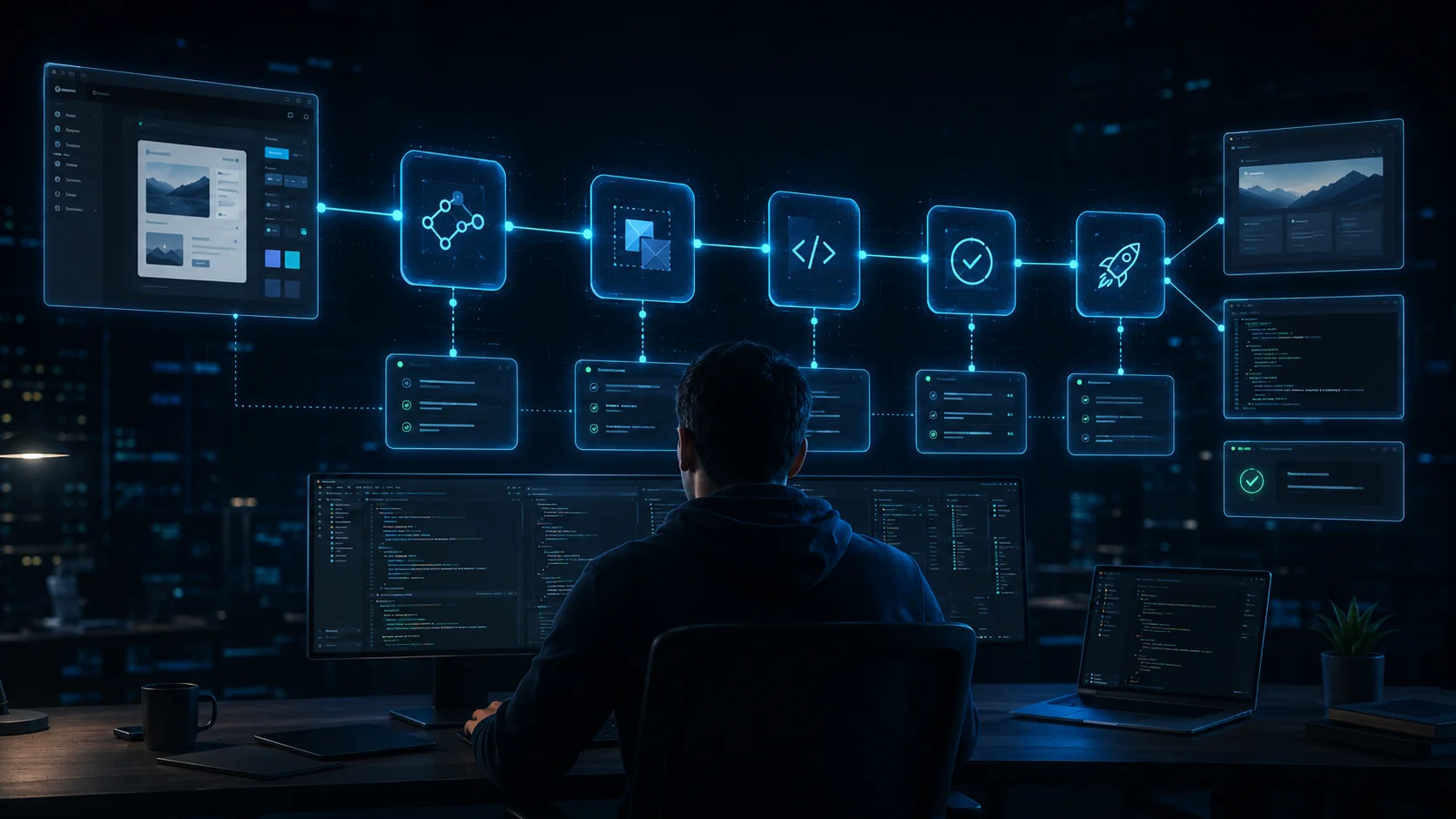
Treating the workflow as the product: how decomposition, validation, and feedback loops made AI-assisted website implementation reliable.
Ready to turn the AI tools your team is already using into a real, measured engineering capability?

